
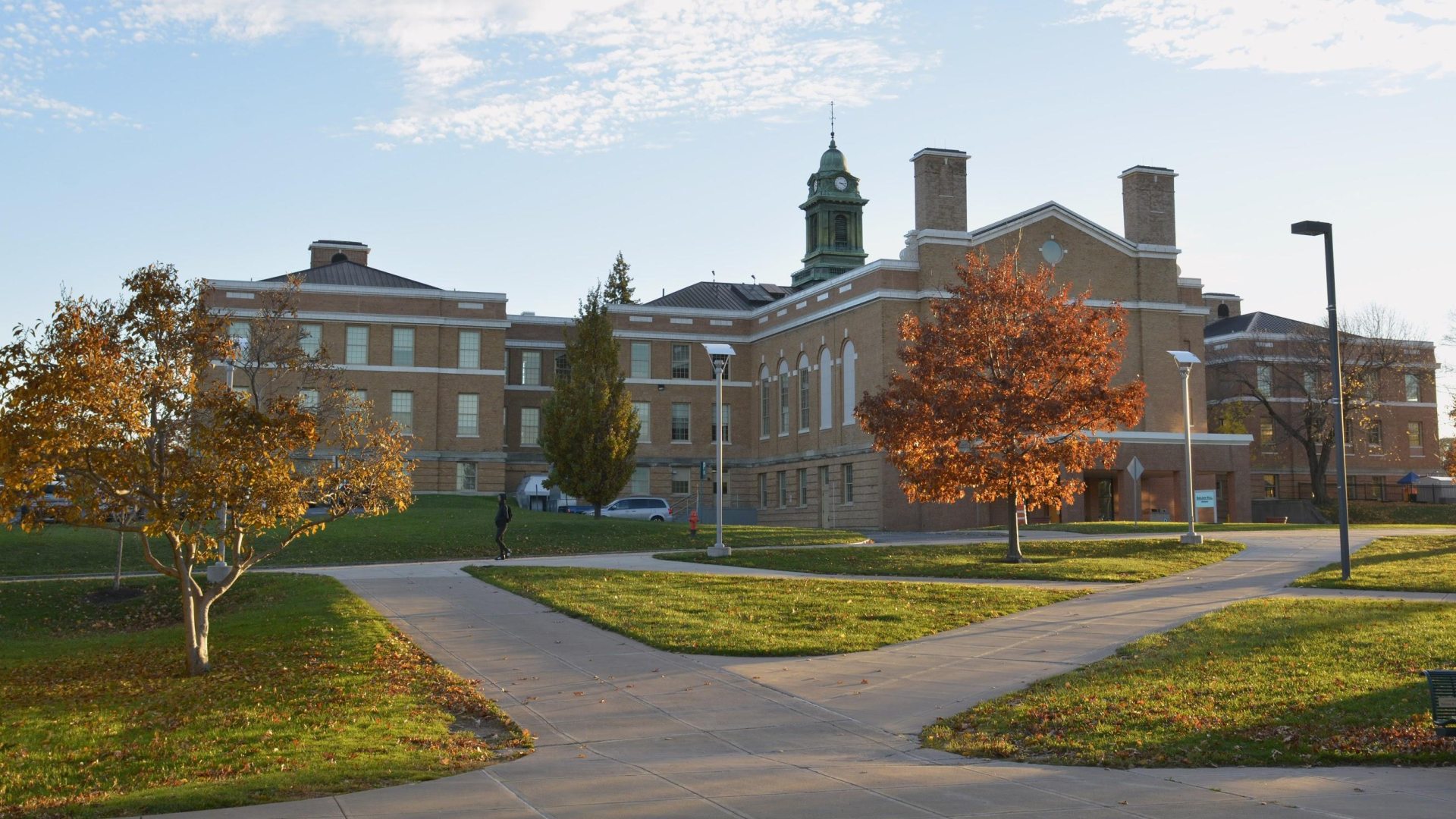
Sheldon Hall

Assisting Students in Distress

This resource guide is provided by Student Affairs. 

A group of students looking at the sunset over the lake

Acknowledgment 

Inspiration for this guide was adapted from UMatter at UMass Red folder to provide faculty and staff with tools to help students. Please write to [email protected] with any corrections or comments.

Contents 

Where Do I Start?

If you are concerned about a student, don’t let uncertainty stop you from taking action. SUNY Oswego is committed to supporting students, and through this guide, you will be able to recognize, respond, refer, and report concerns about your students. For assistance, talk to your supervisor/department chair, or contact the Office of The Dean of Students at 315.312.5483. For additional information on how to find resources on campus, check out the Oz Concern Navigator.

How to Best Respond and Help Students That Need Support

Clarify Expectations

A syllabus can be used to convey support for students’ learning and wellbeing, and it can help set behavioral expectations. Consider including a section with support resources, such as the Oz Concern Navigator

Practice Self-Care

Helping a distressed student can take a toll on your personal well-being. Make sure to acknowledge what you’ve been through and take care of yourself. Support resources can be found through the Employee Assistance Program. EAP provides free confidential assessment/referral services for employees and family members. 

Report Serious/Persistent Behaviors

Your firsthand knowledge of and personal connection to your students is valuable in understanding and responding to their situation. To coordinate a timely response, report serious or persistent behavior concerns to the Office of the Dean of Students or complete the Student of Concern Referral Form

Share What You Know

When requesting a consult or submitting a concern report, share what you know about the student and the current situation. This allows the appropriate staff to reach out with support and resources. Please note that college policies, State and Federal laws including FERPA (Family Educational Rights and Privacy Act ) allow for faculty and staff to report concerns to campus officials.

4 R's of Reporting

Recognize, Respond, Refer, and Report

Not sure what, but something is wrong

Recognize

  • Disturbing content in paper/emails.
  • Decline in academic performance.
  • Sudden change in demeanor.
  • Significant changes in appearance, behavior, or personal hygiene.

Respond

  • Express concern and care. Offer support and encouragement if the student agrees to get help.
  • Give an example of a time that the student’s behavior has concerned you.
  • Call 911 for any safety concerns.

Refer

  • Urgent: 911
  • University Police: 315.312.5555
  • Advice and consultation:
  • Counseling Services: 315.312.4416
  • Health Services: 315.312.4100
  • Office of the Dean of Students: 315.312.5483

Report

  • Urgent: 911
  • University Police: 315.312.5555
  • Advice and consultation:
  • Counseling Services: 315.312.4416
  • Health Services: 315.312.4100
  • Office of the Dean of Students: 315.312.5483
Self-harm, suicidal ideation, suicidal risk

Recognize

  • Written or verbal statements with the theme of death that conveys intent to harm self or others.
  • Fresh cuts, scratches, wounds.
  • Withdrawal from classes, activities, and friends.
  • Statements of hopelessness such as I hate this life or Everyone is better off without me.

Respond

  • Call University Police (315.312.5555) if there is a potential threat to student’s safety or the safety of others.
  • Express concern and care.
  • Always take suicidal statements, thoughts, and behaviors very seriously.
  • If you suspect a student may be suicidal, seek consultation.

Refer

  • Urgent: 911
  • University Police: 315.312.5555
  • Advice and consultation:
  • Counseling Services: 315.312.4416

Report

Alcohol, cannabis, or other drug use

Recognize

  • Intoxicated/high in class or at meetings/events.
  • Excessive sleepiness/hyper energy.
  • Decline in academics.
  • References to alcohol/drug use in conversations, papers, projects.
  • Decline in physical appearance (bloodshot eyes, dilated pupils, trembling hands).

Respond

  • Express concern and care. Offer support and encouragement if the student agrees to get help.
  • Give an example of a time that the student’s behavior has concerned you.
  • Offer to help the student make an appointment with the AOD (Alcohol and Other Drug) coordinator in the Office of the Dean of Students.
  • Counseling or Health Services may be contacted.

Refer

Report

  • Office of the Dean of Students
  • Report an incident using a concern form on the Student Conduct site
Anxiety, stress, panic

Recognize

  • Excessive worry, guilt, nervousness.
  • Decline in academics/loss of focus.
  • Physical symptoms (trouble with breathing, pounding or racing heart, numbness, tingling, sweating or chills, weakness/dizziness, jaw pain/teeth grinding, chest/stomach pain).

Respond

  • Express concern and care.
  • Avoid criticizing, blaming, or sounding judgmental.
  • Recommend or, if necessary, insist upon intervention.

Refer

  • Urgent: 911
  • University Police: 315.312.5555
  • Advice and consultation:
  • Counseling Services: 315.312.4416
  • Health Services: 315.312.4100
  • Office of the Dean of Students: 315.312.5483
Bias incident

Recognize

  • Act(s) directed against a person or property on the basis of race, color, religion, creed, sex, age, marital status, national origin, mental or physical disability, political belief, veteran status, sexual orientation, gender identity and expression, genetic information, or any other class protected from discrimination under state or federal law.

Respond

  • Express concern and care.
  • Listen to student’s responses.
  • Avoid criticizing, blaming, or sounding judgmental.
  • Encourage student to save photos, communications, or other evidence of bias.
  • Do not remove any evidence prior to reporting.

Refer

Report

Cyber misbehavior

Recognize

  • Internet flaming, trolling, name-calling, or harassment.
  • Threats to release private information/photos.
  • Identity theft/account hacking.

Respond

  • Express concern and care.
  • Encourage student to update passwords and privacy settings.
  • Encourage student to keep a log of the bullying/harassing behavior.

Refer

Report

Disability

Recognize

  • Student mentions struggling due to a disability.
  • Student expresses concerns such as difficulty reading, concentrating, or memorizing.
  • Challenges with organizing tasks, homework, or deadlines, or other issues potentially related to a potential undiagnosed disability.

Respond

  • Express concern and care.
  • Listen to student’s responses.
  • Avoid stigmatizing behaviors such as criticizing, blaming, sounding judgmental, overly emphasizing, or minimizing the situation.
  • Provide student with a referral to Accessibility Resources.
  • Be supportive and encouraging.

Refer

  • Accessibility Resources: 315.312.3358
  • [email protected]
  • Office of the Dean of Students (short-term disability for out of class notice, if needed): 315.312.5483
Disruptive behaviors

Recognize

  • Unwarranted interruptions.
  • Slurs/other forms of intimidation.
  • Rude or abusive behavior.
  • Failure to follow directions.
  • When to call UP for assistance: throwing items, refusing to leave, threat of harm to self or others, preventing others from leaving, physically abusive behavior, showing or stating the presence of a weapon.

Respond

  • Call 911 if there is a potential threat to the student’s safety or the safety of others.
  • Express concern and care.
  • Be clear that disruptive behavior needs to stop. You may ask them to leave the class and make a time to meet with you once they are calmer.
  • Outline your expectations verbally and in your syllabus.
  • Report the situation to your department chair.

Refer

  • Report the situation to your department chair.
  • Office of the Dean of Students: 315.312.5483
  • Copy student’s advisor.

Report

  • University Police: 315.312.5555
  • Urgent: 911
  • Department Chair
  • Office of the Dean of Students
  • Submit a Student of Concern Referral Form from the Student Conduct website
  • Or submit a Starfish Alert Behavioral Concern for Dean of Students.
Economic financial hardship

Recognize

  • Frequent or extended absences.
  • Decline in academics.
  • Mentions relationship, financial, or other challenges.
  • Difficulty concentrating or making decisions for themselves.
  • Exhaustion/fatigue.
  • Excessive worry, eating problems.

Respond

  • Express concern and care.
  • Provide student with resources to the Office of the Dean of Students or Financial Aid Office.
  • Be supportive and encouraging.

Refer

Harassment, sexual harassment, stalking

Recognize

  • Communications that continue after being told to stop.
  • Threats to release private information/photos.
  • Display of sexually suggestive pictures or cartoons in workspace, residence halls, or online.
  • Verbal/sexual abuse flirtations.
  • Demand for sexual favors accompanied by implied threat to academic status.

Respond

  • Express concern and care.
  • Call 911 if there is a potential threat to the student’s safety or the safety of others.
  • Identify resources like Dean of Students, Title IX, and University Police for safety planning.
  • Encourage student to save copies of all communications including texts, voice mails, and pictures.
  • Avoid promising confidentiality.

Refer

  • Urgent: 911
  • University Police: 315.312.5555
  • Advice and consultation:
  • Counseling Services: 315.312.4416
  • Services to Aid Families (SAF): 315.342.1600

Report

Hazing

Recognize

  • Withdrawal from activities/friends.
  • Exhaustion/fatigue.
  • Significant change in appearance or hygiene (wearing embarrassing or humiliating attire).
  • Visible injuries, cuts, or branding (symbols, initials, or Greek letters).

Respond

  • Express concern and care.
  • Call 911 if there is a potential threat to the student’s safety or the safety of others.
  • Remain calm; showing outrage may cause student to shut down.
  • Avoid criticizing, blaming, or sounding judgmental.
  • Listen to student’s responses.

Refer

  • Office of the Dean of Students: 315.312.5483
  • Office of Student Conduct: 315.312.3378
  • University Police (if there is a physical safety threat): 315.312.5555

Report

International crisis (for students abroad) / Immigration Status Issue

Recognize

  • Mentions crisis or concern.
  • Decline in academics.
  • Difficulty concentrating.
  • Excessive worry.
  • Sleeping/eating problems.
  • Disengaged.
  • Mentions concern about visa or immigration status.

Respond

  • Express concern and care.
  • Avoid criticizing, blaming, or sounding judgmental.
  • Be supportive and encouraging.
  • Listen to student’s responses.

Refer

  • Office of the Dean of Students: 315.312.5483
  • Office of International Education and Programs: 315.312.2118
  • Counseling Services: 315.312.4416
  • International Student and Scholar Services Office: 315.312.5775
Isolation, loneliness, difficulty transitioning into or out of college

Recognize

  • Decline in academics.
  • Lack of peer engagement.
  • Excessive worry.
  • Sleeping/eating problems.
  • Exhaustion/fatigue.
  • Mentions lack of a social circle.
  • Statements such as I do not have any friends here, no one understands me, or I do not go to events because I do not want to go alone.

Respond

  • Express concern and care.
  • Provide student with resources.
  • Avoid minimizing the situation.
  • Suggest a campus event or student organization.
  • Be supportive and encourage student to connect to resources.

Refer

  • Counseling Services: 315.312.4416
  • Campus Life: 315.312.2301
  • Residential Life and Housing Office: 315.312.2246
  • [email protected]
Known or suspected health or medical issue

Recognize

  • Frequent absences.
  • Decline/struggle in academics.
  • Noticeable weight loss or gain.
  • Hair loss; pale or gray skin tone.
  • Difficulty with time management, following directions, or organization.
  • Unusual or secretive eating habits; obsession with fat/caloric content.

Respond

  • Call 911 if there is a potential threat to student’s safety or safety of others.
  • Express concern and care.
  • Listen to the student.
  • Recommend medical intervention.

Refer

  • Health Services: 315.312.4100
  • Counseling Services: 315.312.4416
  • Office of the Dean of Students: for an Out of Class Notice, if needed: 315.312.5483
Personal or family tragedy, loss, or crisis

Recognize

  • Frequent or extended absences.
  • Decline in academics.
  • Mentions relationship, financial, or other challenges.
  • Difficulty concentrating or making decisions for themselves.
  • Exhaustion/fatigue/sleeping.
  • Excessive worry, eating problems.

Respond

  • Express concern and care.
  • Listen to student’s responses.
  • Avoid criticizing, blaming, or sounding judgmental.
  • Provide student with resources to the Office of the Dean of Students or Financial Aid Office.
  • Be supportive and encouraging.

Refer

  • Counseling Services: 315.312.4416
  • Office of the Dean of Students: for emergency funds and/or out of class notice: 315.312.5483
  • Student’s Advisor
Relationship violence, sexual assault, stalking

Recognize

  • References to sexual assault or relationship violence in conversations, papers, projects.
  • Visible injuries or bruises.
  • Mishaps or injuries with illogical/no explanation.
  • Crying or leaving when sexual violence, domestic violence, stalking, or child abuse is the topic.
  • Fearful or anxious about pleasing partner/others.
  • Mentions partner/other’s possessiveness, jealousy, or violent behavior, but may apologize, excuse, or laugh it off.

Respond

  • Express concern and care.
  • Call 911 if there is a potential threat to the student’s safety or the safety of others.
  • Listen to student’s responses.
  • Remain calm. Showing outrage may shut the student down.
  • Avoid criticizing, blaming, or sounding judgmental.
  • Do not minimize the situation.
  • Provide resources for safety planning.
  • Suggest medical intervention.
  • Avoid promising confidentiality.

Refer

  • Urgent: 911
  • University Police: 315.312.5555
  • Advice and consultation:
    • Counseling Services: 315.312.4416
    • Services to Aid Families (SAF): 315.342.1600
    • Title IX Coordinator: 315.312.5604
    • Oswego County Opportunities: 315.342.1600, 315.342.7532, 1.877.342.7532

Report

Concern about excessive absences

Recognize

  • Student is absent from many classes and there are concerns about the student’s wellbeing.
  • There may or may not be Out of Class Notice (see Starfish).

Respond

  • Write to the student and their advisor noting absences and your class policy.
  • Invite student to discuss issue with you and/or their advisor.
  • If student does not respond or the student raises issues of concern, inform their advisor.
  • Refer the student to campus resources if illness, circumstances, or other issues are related to absences; counseling, advising, or tutoring, for example.
  • If you have information, submit an Out of Class Notice (via Starfish).

Refer

  • Advisor and/or Academic Dean
  • Counseling Services: 315.312.4416
  • Health Services: 315.312.4100
  • Office of the Dean of Students (ODS): [email protected] (Out of Class Notice may be appropriate)
  • Oz Concern Navigator

Report

Prime Concerns and Contacts

ConcernWho To ContactContact
Immediate concern about safetyUniversity Police315.312.5555 or 911
Student’s mental healthCounseling Services315.312.4416
Counseling Services Center website
Bias IncidentDeputy Chief Diversity and Inclusion Officer and Affirmative Action Officer315.312.2238
Bias Prevention and Response Team
Bias IncidentFile an incident reportBias Incident Report
Student hardshipOffice of the Dean of Students315.312.5483 or [email protected]
Harassment, stalking, report of relationship or sexual violenceTitle IX Officer315.312.5604 or [email protected]
Harassment, stalking, report of relationship or sexual violenceFile an incident reportTitle IX Incident Report
Classroom behaviorDept. Chair, Dean, Student’s AdvisorReport to department chair, dean or students advisor.
Concern about student’s healthHealth Services315.312.4410 or [email protected]
Health Services website
Not sure of the problem or concernOffice of the Dean of Students315.312.5483 or [email protected]

Campus Department Contacts

Office Of The Dean of Students

501 Culkin Hall

Oswego, NY 13126

Contact

315-312-5483, Fax: 315-312-2503

[email protected]

Hours

M-F, 8am-4:30pm

Summer Hours: M-F, 8am-4pm