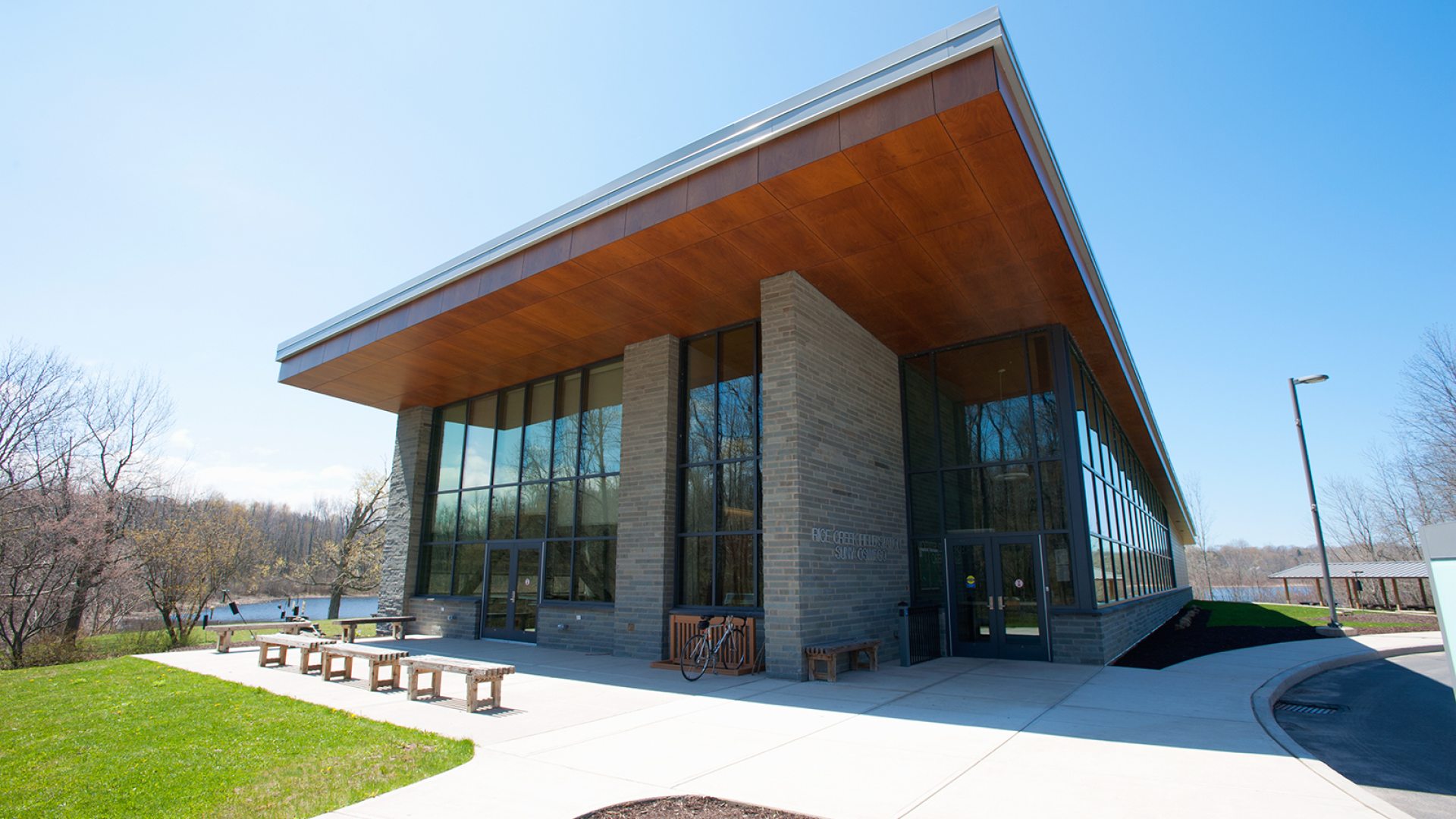
Exterior view of the Rice Creek Field Station building at SUNY Oswego, surrounded by trees and natural landscape.

Our Spaces and Resources

From advanced laboratories to immersive research environments, CLASE facilities are designed to support discovery, experimentation and collaboration.

Our spaces give students the opportunity to explore ideas, test theories and apply knowledge in real-world settings. Whether conducting experiments in modern science labs, studying ecosystems in the field or analyzing artifacts from archaeological research, students have access to the tools and environments that support hands-on learning and innovation.
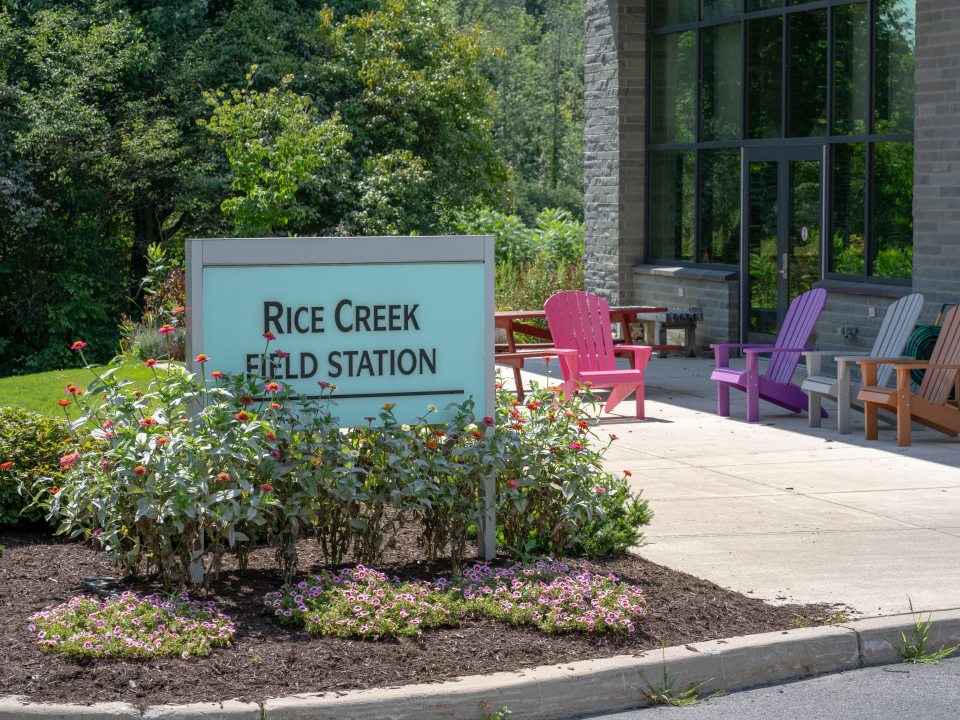
Sign for Rice Creek Field Station outside the building with colorful Adirondack chairs and landscaping.

Rice Creek Field Station

Rice Creek Field Station serves as a living laboratory for environmental study, research and community engagement. Located just minutes from campus, the field station provides natural ecosystems where students explore biology, environmental science and sustainability through hands-on fieldwork.

In addition to supporting research and coursework, Rice Creek is an important connection between SUNY Oswego and the surrounding community through educational programs, nature trails and public events.

Highlights:

  • Forest, wetland and stream ecosystems for field research

  • Outdoor classrooms and environmental monitoring projects

  • Opportunities for student and faculty research

  • Public programs connecting the university and community

Explore Rice Creek

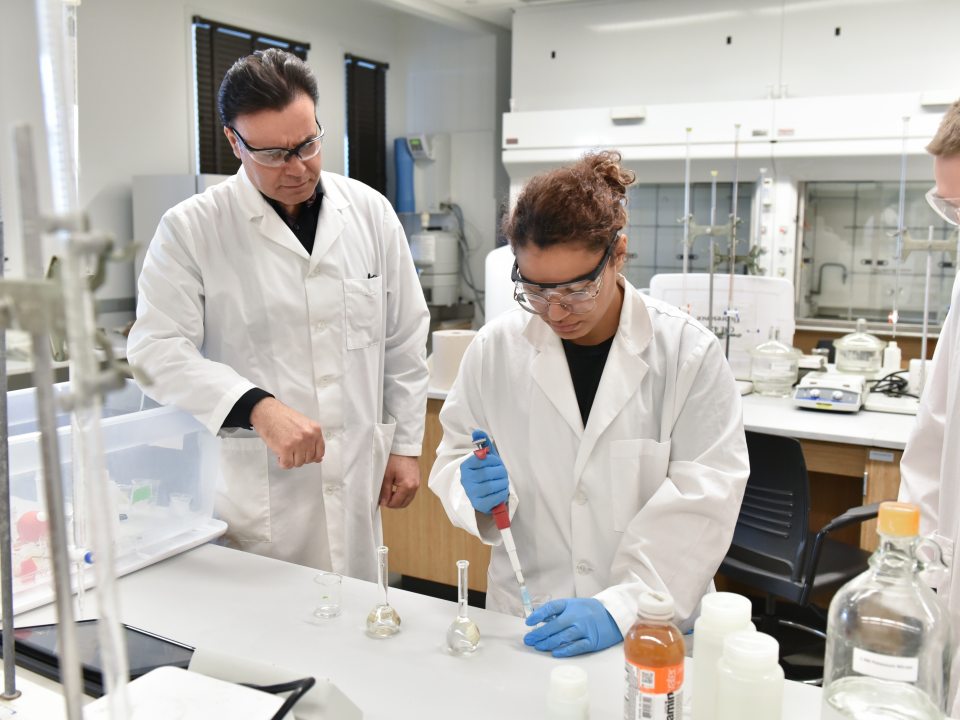
A professor works with students in a chemistry lab as one student uses a pipette during an experiment.

Shineman Center: Laboratories and Research Spaces

The Richard S. Shineman Center for Science, Engineering and Innovation is the hub for research and hands-on learning in CLASE. This modern facility brings together students and faculty across the sciences and engineering to collaborate, experiment and innovate.

Highlights:

  • Advanced teaching and research laboratories

  • Collaborative project and design spaces

  • Modern classrooms designed for active learning

  • Shared research facilities supporting faculty and student projects

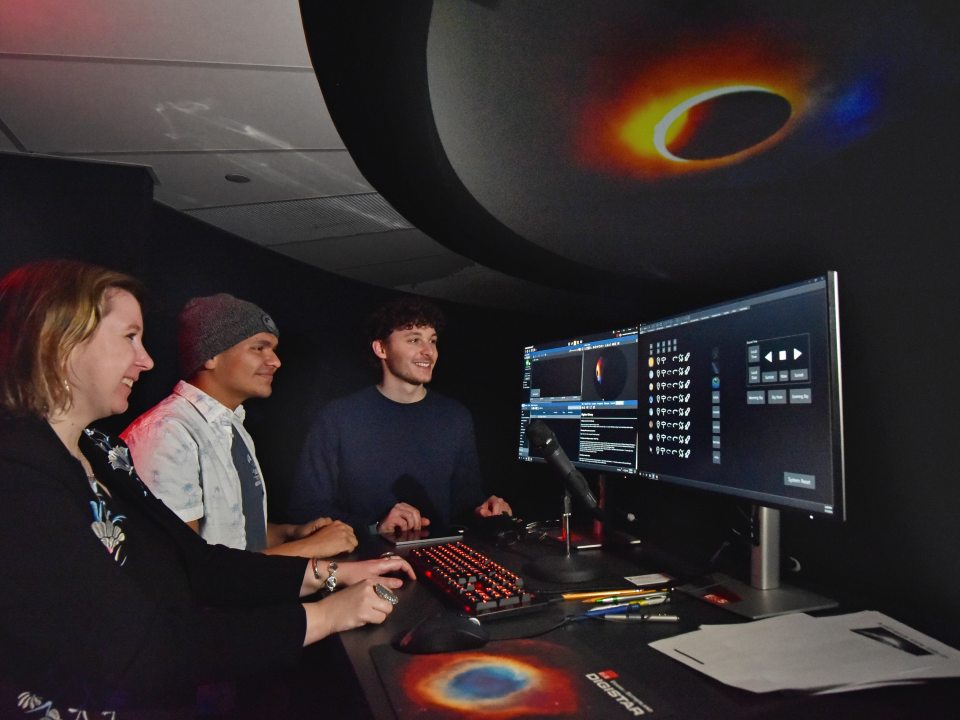
Students and a faculty member operate computers and visualization software inside the campus planetarium.

Planetarium

The planetarium provides an immersive environment for exploring astronomy, physics and the science of our universe. Students use the facility for coursework, demonstrations and research while also sharing the excitement of discovery with the broader community.

Highlights:

  • Full-dome digital projection system

  • Interactive astronomy and physics demonstrations

  • Hands-on learning for astronomy and physics students

  • Public shows and educational outreach programs

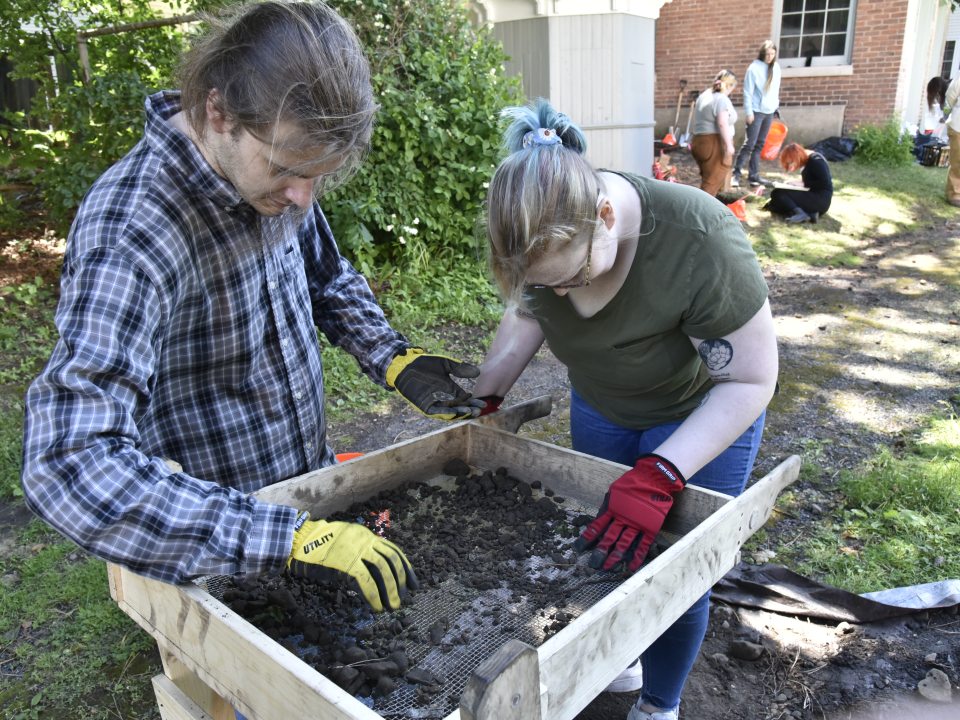
Students sift soil through a screen during an archaeological excavation as part of an anthropology field project.

Anthropology Dig Lab

The Anthropology Dig Lab provides students with hands-on experience analyzing artifacts from archaeological fieldwork. In this lab, students learn professional methods for cleaning, cataloging and interpreting materials uncovered during excavations.

Highlights:

  • Artifact analysis and cataloging workspaces

  • Hands-on archaeological research opportunities

  • Training in professional field and lab techniques

  • Research connected to regional and global archaeological projects

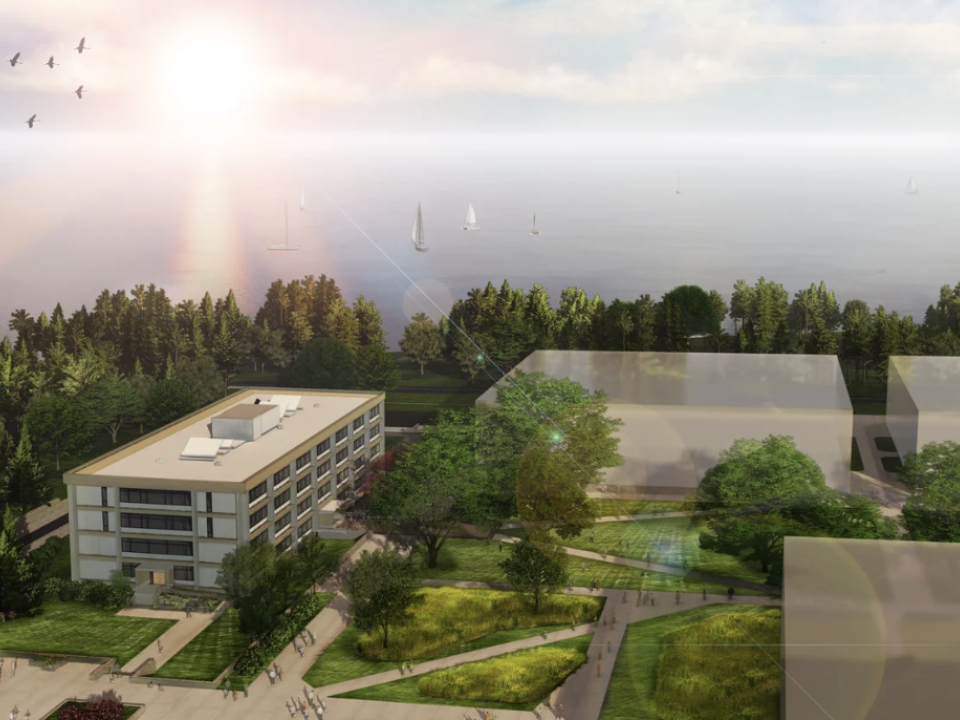
Architectural rendering of the future Mahar Hall renovation with campus pathways and Lake Ontario in the background.

Mahar Hall (Future Academic Space)

Plans for the renovation of Mahar Hall reflect CLASE’s continued investment in modern learning environments. Updated classrooms, labs and collaborative spaces will support evolving programs and new opportunities for interdisciplinary learning.

Highlights:

  • New collaborative classrooms and labs

  • Spaces designed for interdisciplinary research

  • Flexible learning environments for future programs

  • Expanded opportunities for student research and innovation