Field Trips & Outreach

The Great Lakes Institute Field Trip Program provides students with immersive, hands-on learning experiences that bring science, history, and environmental stewardship to life. Through interactive investigations, outdoor exploration, and collaborative activities, students develop critical thinking skills while exploring topics that extend beyond the traditional classroom. From geology and ecology to renewable energy and maritime history, each station encourages students to ask questions, make discoveries, and deepen their understanding of the Great Lakes region through real-world experiences.

Plan Your Field Trip Today!

NYS Standards

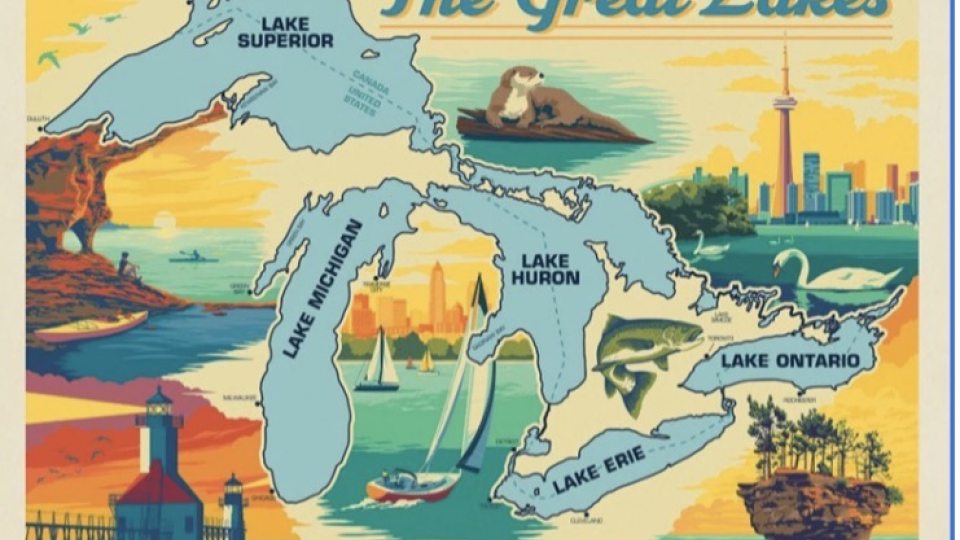
Colorful Drawing of the Map of the Great Lakes. Otter Center Top, Left Top Beach land formation with sailboat, Lighthouse on left bottom Island bottom right. Canada's needle tower is the iconic CN Tower in downtown Toronto, Ontario.

Station 1 - Geology of Great Lakes & Oswego Region

Great Lakes Geology

Students explore the geological history of the Great Lakes and learn how glaciers shaped the Oswego region. Through an interactive presentation and hands-on examination of Fossil samples, students discover how rocks reveal Earth's history and help us understand our local landscape.

  • Recommended Grade Levels: Grades 3–8

  • Group Size: Up to 60 students (max)

  • Station Length: 30–45 minutes per station


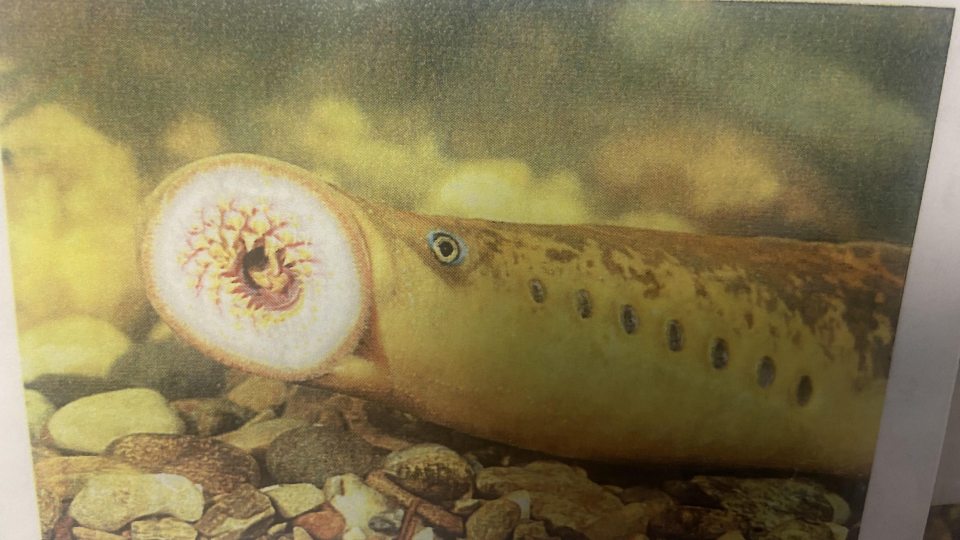
Sea Lamprey

Station 2: Invasive Species Tag Game

Through an active, outdoor simulation game, students experience how invasive species can disrupt ecosystems. As habitat space decreases and invasive populations grow, students observe the impacts on native species, resources, and biodiversity while exploring real-world environmental challenges facing the Great Lakes.

  • Recommended Grade Levels: Grades 3–8

  • Group Size: Up to 60 students (max)

  • Station Length: 30–45 minutes per station


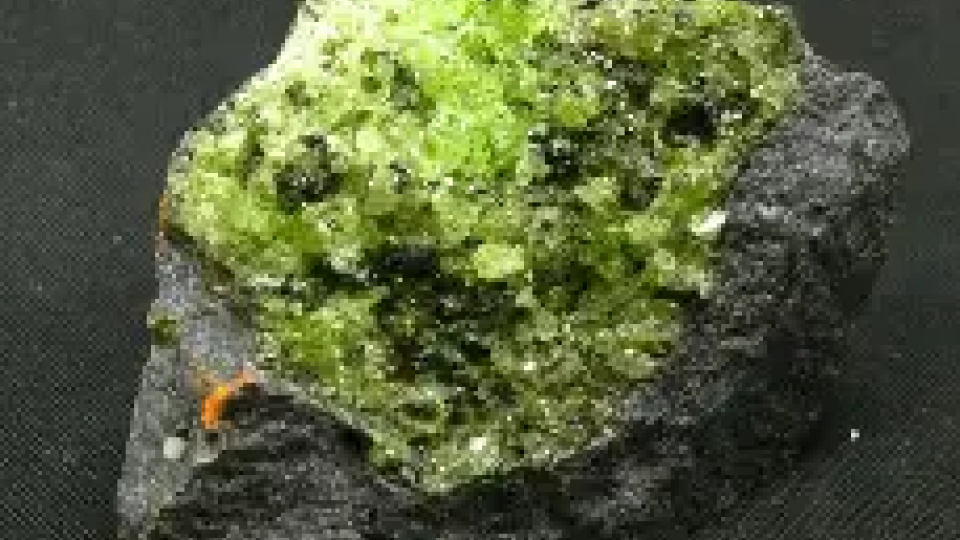
Olivine Mineral

Station 3: Mineral Identification & Shoreline Geology

Students become geologists by testing mineral properties and using scientific tools to identify unknown specimens. Working in teams, they investigate hardness, color, and other characteristics to classify minerals. When lake conditions permit, students also explore shoreline geologic features and learn how local landscapes were shaped over time.

  • Recommended Grade Levels: Grades 3–8

  • Group Size: Up to 60 students (max)

  • Station Length: 30–45 minutes per station


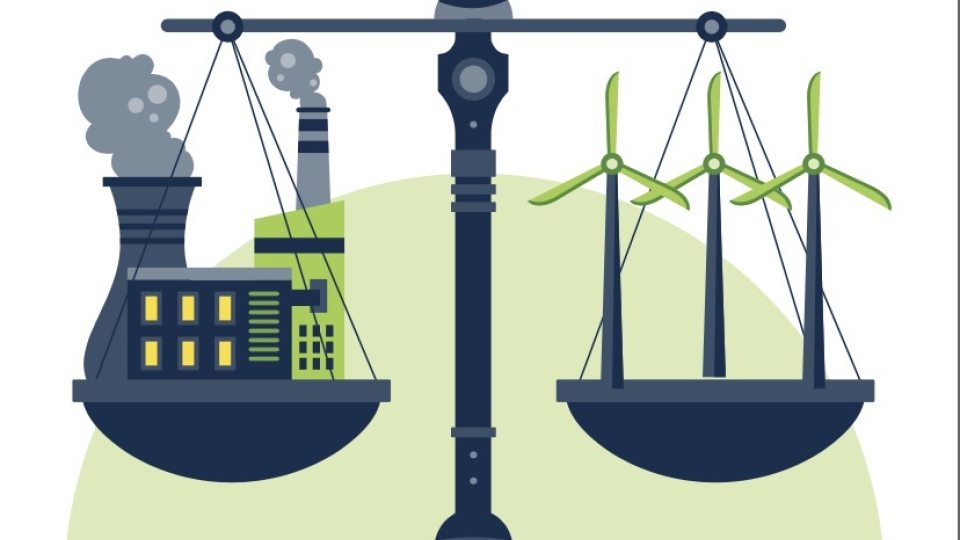
Drawing of a scale showing a Nuclear Plant and Steam Station on left of the scale On the right scale a wind mill represent types of fuels.

Station 4: Cons of Fossil Fuels & Other Alternatives

Students investigate how energy is produced and the environmental impacts of different energy sources. Through hands-on demonstrations and engineering challenges, students compare fossil fuels and renewable energy, build wind-powered systems, and explore how innovative technologies can help create a more sustainable future.

Recommended Grade Levels: Grades 3–8

Group Size: Up to 60 students (ideal)

Station Length: 30–45 minutes per station

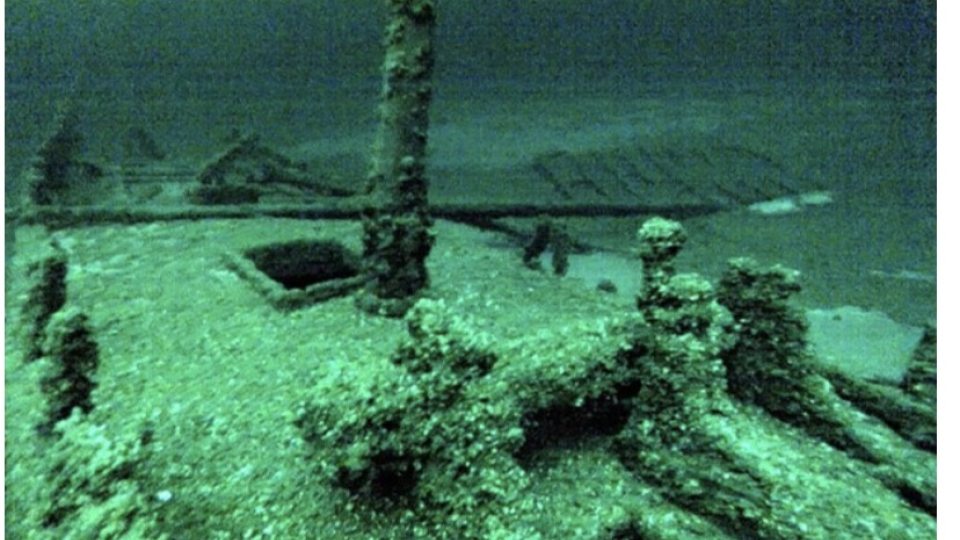
Underwater Shipwreck in Lake Ontario

Station 5: Harbor History & Shipwreck Exploration

Students discover the people, industries, and maritime history that shaped Oswego's waterfront community. Using photographs, biographies, and historical documents, they analyze primary and secondary sources to understand life in the past. Students also explore Lake Ontario shipwrecks and identify parts of historic vessels like maritime archaeologists.

Recommended Grade Levels: Grades 3–8

Group Size: Up to 60 students (max)

Station Length: 30–45 minutes per station

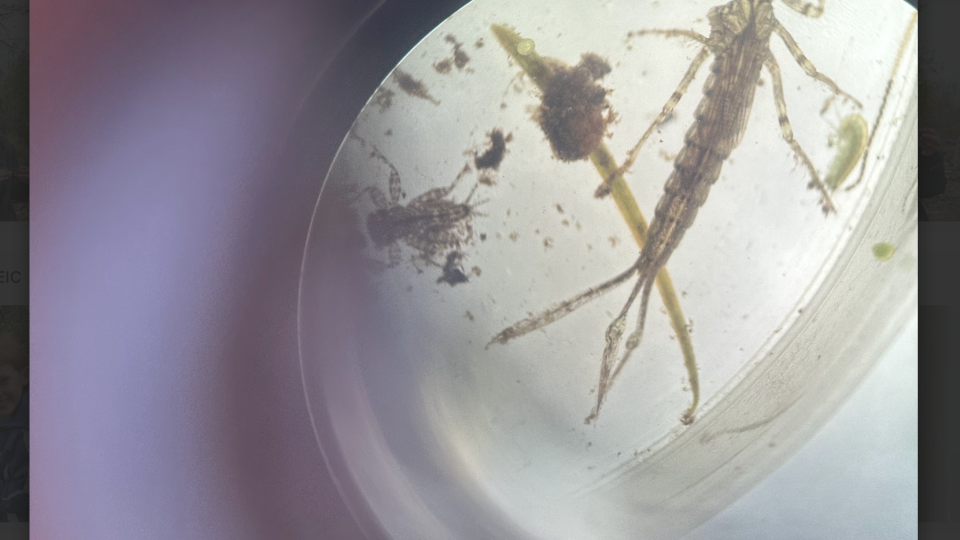
Macroinvertebrate aquatic insect nymph viewed through a microscope, showing its segmented body and legs among small plant debris.

A Day in the Life of the Oswego River and Finger Lakes

DiTL- Oswego River & Finger Lakes Watershed

Program Information

The Day in the Life (DITL) of the Oswego River and Finger Lakes Watershed program engages middle school students with their local watershed through hands-on science. Through classroom learning and field investigations, students collect and analyze water quality data to better understand the health of local streams, rivers, and lakes in the Oswego River and Finger Lakes watershed.

The program culminates in a Student Summit field trip each October, where students conduct real-world sampling activities, including water chemistry testing, stream assessments, and aquatic macroinvertebrate surveys.